


Indications for use
Infectious and inflammatory diseases (in patients over 18 years old) caused by microorganisms sensitive to moxifloxacin:
- acute bacterial sinusitis (in confirmed diagnosis),
- exacerbation of chronic bronchitis (in confirmed diagnosis),
- community-acquired pneumonia, including pneumonia caused by strains of microorganisms with multiple antibiotic resistance* excluding severe pneumonia,
- uncomplicated (mild to moderate) inflammatory diseases of pelvic organs (including salpingitis and endometritis) not associated with tuboovarian or pelvic abscess.
Moxiday coated tablets can also be used for complete course of therapy in patients with improvement of initial treatment with Moxiday solution for intravenous infusion with the following indications:
- community-acquired pneumonia;
- complicated skin and soft tissue infections.
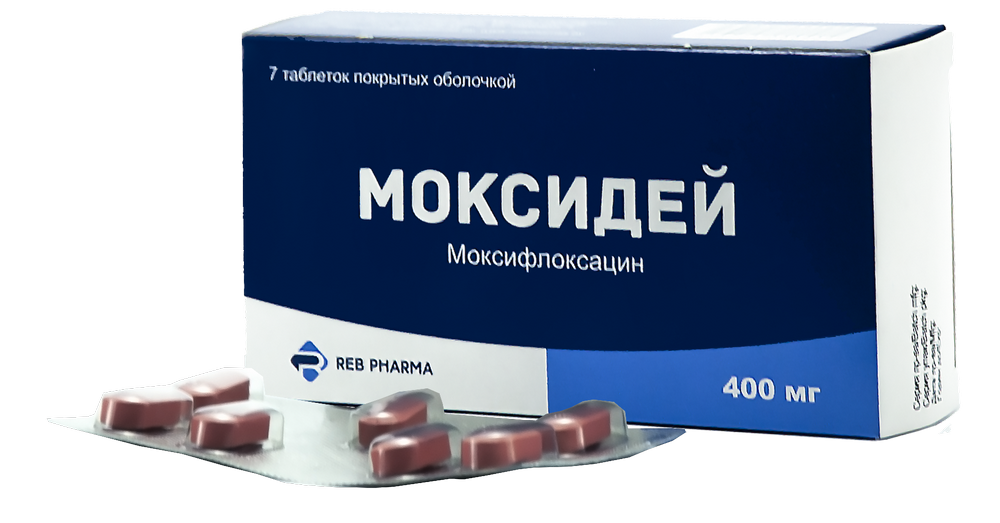
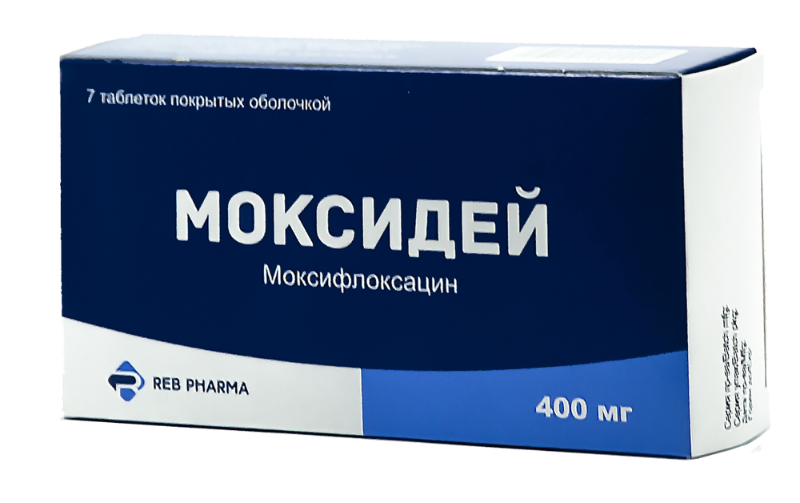
Brand Name: Moxiday / Moxiday
International Nonproprietary Name: Moxifloxacin / Moxifloxacin
Drug form: coated tablets 400 mg.
Composition:
1 coated tablet contains:
Active substance: moxifloxacin (in a form of moxifloxacin hydrochloride) - 400.00 mg.
Excipients: microcrystalline cellulose (type 102), sodium starch glycolate (type A), mannitol, magnesium stearate, polyvinyl alcohol, partially hydrolyzed macrogol, talc, titanium dioxide (E 171), red iron oxide (E172), yellow iron oxide (E172).
Pharmacotherapeutic group
Antibacterial agents for systemic use. Fluoroquinolones
ATX Code: J01FA02.
Pharmacological properties
Pharmacodynamics
Moxiday – is a fluoroquinolone group broad-spectrum antibacterial drug. Moxifloxacin inhibits topoisomerase II (DNA gyrase) and topoisomerase IV – the enzymes necessary for bacterial DNA replication, transcription, reparation and recombination. Isomerase functions Inhibition leads to irreversible changes in a bacterial cell and its death. It was found that C8-methoxy group in moxifloxacin structure increases activity against gram-positive microorganisms and helps to reduce mutants development in selection process of resistant gram-positive bacteria in comparison with C8-H group. The presence of the azabicyclo structure at position C7 in the structure prevents an active efflux (i.e., the process of active fluoroquinolone release from the cell), the mechanism underlying the development of microorganism resistance to fluoroquinolones.
Minimal bactericidal concentrations of moxifloxacin are almost the same as minimal inhibitory concentrations (MICs).
Moxifloxacin does not demonstrate cross-resistance with penicillins, cephalosporins, aminoglycosides, macrolides and tetracyclines. The overall incidence of resistance is low; resistance to moxifloxacin develops slowly as a result of a series of consequent mutations. Plasmid-mediated resistance has not been observed yet.
Moxifloxacin is active against a broad spectrum of gram-positive and gram-negative microorganisms, anaerobic, acid-resistant and atypical bacteria: Mycoplasma spp., Chlamydia spp., Legionella spp.; effective against bacterial strains resistant to beta-lactam antibiotics and macrolides.
EUCAST (European Committee on antimicrobial Susceptibility Test) limits of clinical MICs for moxifloxacin (01.01.2012):
|
Microorganism |
Susceptible |
Resistant |
|
Staphylococcus spp. |
≤ 0,5 mg/l ≥ 24 mm |
> 1 mg/l < 21 mm |
|
S. pneumoniae |
≤ 0,5 mg/l ≥ 22 mm |
> 0,5 mg/l < 22 mm |
|
Streptococcus group A, B, C, G |
≤ 0,5 mg/l ≥ 18 mm |
> 1 mg/l < 15 mm |
|
H. influenzae |
≤ 0,5 mg/l ≥ 25 mm |
> 0,5 mg/l < 25 mm |
|
M. catarrhalis |
≤ 0,5 mg/l ≥ 23 mm |
> 0,5 mg/l < 23 mm |
|
Enterobacteriaceae |
≤ 0,5 mg/l ≥ 20 mm |
> 1 mg/l < 17 мм |
|
Non-species limits * |
≤ 0,5 mg/l |
> 1 mg/l |
* Non-species determined limits were mainly based on pharmacokinetic/pharmacodynamic data and independent from MIC distribution of individual species. They are used only for species for which specific limits are not indicated and are not used for species for which interpretation criteria should still be defined (gram-negative anaerobes).
In vitro sensitivity test. For certain species the frequency of acquired resistance may vary with geographic location and may change over time. When choosing a therapy, it is desirable to have information on the local resistance of microorganisms, especially in the treatment of severe infections. Specialist advice is needed in places where the prevalence of resistance is such that benefits for at least some types of infections are questionable.
Normally susceptible strains
Aerobic Gram-Positive Microorganisms
Gardnerella vaginalis
Staphylococcus aureus*+ (strains susceptibe to meticillin)
Streptococcus agalactiae* (group В)
Streptococcus milleri* (S. anginosus, S. constellatus and S. intermedius) group
Streptococcus pneumoniae*
Streptococcus pyogenes* (group А)
Normally susceptible strains
Streptococcus viridans group (S. viridans, S. Mutans, S. Mitis, S. Sanguinis, S. salivarius,
S. thermophilus)
Aerobic gram-negative microorganisms
Acinetobacter baumannii
Haemophilus influenzae*
Haemophilus parainfluenzae*
Legionella pneumophila
Moraxella (Branhamella) catarrhalis*
Anaerobic microorganisms
Prevotella spp.
Fusobacterium spp.
Other microorganisms
Chlamydia (Chlamydophila) pneumoniae*
Chlamydia trachomatis*
Coxiella burnetii
Mycoplasma genitalium
Mycoplasma hominis
Mycoplasma pneumoniae*
Species relevant to have acquired resistance
Aerobic gram-positive microorganisms
Enterococcus faecalis*
Enterococcus faecium*
Staphylococcus aureus+ (strains resistant to meticillin)
Aerobic gram-negative microorganisms
Enterobacter cloacae*
Escherichia coli*#
Klebsiella pneumoniae*#
Klebsiella oxytoca
Neisseria gonorrhoeae*+
Proteus mirabilis*
Anaerobic microrganisms
Bacteroides fragilis*
Peptostreptococcus spp.*
Antibiotic resistant microorganisms (by nature)
Aerobic gram-negative microorganisms
Pseudomonas aeruginosa
* Sensitivity to moxifloxacin is confirmed by clinical data.
+ Methicillin-resistant strains of S. aureus are highly likely to be resistant to fluoroquinolones. For S. aureus strains the resistance to moxifloxacin is higher than 50%.
# ESBL-producing strains often resistant to fluoroquinolones.
*Moxifloxacin is not recommended for the treatment of infections caused by methicillin resistant strains of S. aureus (MRSA).
This reference information is provided as a guide to deal with microorganisms’ probable susceptibility to moxifloxacin. For certain species the frequency of acquired resistance may vary with geographic location and may change over time. When choosing the therapy it is advisable to have information on microorganisms’ resistance in the local area, especially for the treatment of severe infections.
Comparison of pharmacokinetic/pharmacodynamic processes in oral administration of moxifloxacin in a single dose 400 mg.
In patients required hospitalization AUC/MIC90 values (area under the curve ratio of concentration-time to minimum inhibitory concentration) are higher than 125 and Cmax /MIC90 values (8-10) are predictable for clinical treatment. In outpatients these values are generally lower: AUC/MIC90 values are above diapason 30-40.
Corresponding pharmacokinetic/pharmacodynamic parameters calculated for oral administration of moxifloxacin in a single dose 400 mg are presented in the table:
Pharmacokinetics
Absorption
When taken orally moxifloxacin is absorbed rapidly and almost completely. Absolute bioavailability is approximately 91%.
The medicine can be used together with food.
Distribution
High concentrations of the drug exceeding plasma concentration are presented in the lung tissue (including alveolar macrophages), sinuses (maxillary, ethmoid bone sinus, nasal polyps), in exudate from the skin inflammation site. In interstitial fluid (saliva, intermuscular, subcutaneous) high drug concentration is determined in a free state. In addition, high concentrations of moxifloxacin are determined in abdominal cavity organs and peritoneal fluid, as well as in female genital organs. After moxifloxacin administration in a single dose 400 mg (by two routes of administration) comparable maximum concentrations in various target tissues were observed (in comparison with plasma concentration).
Excretion
Half-life of the drug is approximately 12 hours.
Pharmacokinetics in various patient groups
In children. Pharmacokinetics of moxifloxacin in children has not been studied.
Patients with renal failure. There were no significant changes in pharmacokinetics of moxifloxacin in patients with impaired renal function (including patients with creatinine clearance <20 ml/min/1.73 m2) and those on continuous hemodialysis and long-term ambulatory peritoneal dialysis. With a renal function decrease M2 metabolite (glucuronide) concentration increases 2.5 times (with creatinine clearance <30 ml/min/1.73 m2).
Impaired liver function. Pharmacokinetic parameters estimation in patients with impaired liver function (class A, B according to Child-Pugh classification) preclude from the final conclusions of changes in comparison with healthy volunteers. Impaired liver function was associated with a high M1 plasma concentration, while the active substance concentration was comparable to that in healthy volunteers. There is no sufficient clinical experience in patients with impaired liver function.
Elderly patients and patients with low body weight.
Healthy volunteers with low body weight (for example, women), as well as elderly patients, have higher moxifloxacin plasma concentrations.
Indications for use
Moxifloxacin should be used when initial therapy with other antibacterial drugs is considered inappropriate or ineffective.
Infectious and inflammatory diseases (in patients over 18 years old) caused by microorganisms susceptible to moxifloxacin:
- acute bacterial sinusitis (in confirmed diagnosis),
- chronic bronchitis exacerbation (in confirmed diagnosis),
- community-acquired pneumonia, including pneumonia caused by microorganisms with multiple antibiotic resistance* excluding severe pneumonia,
- uncomplicated (mild to moderate) of pelvic organs inflammatory diseases (including salpingitis and endometritis) not associated with tubo-ovarian or pelvic abscess.
Moxiday coated tablets is not recommended for monotherapy of mild to moderate severity pelvic organs inflammatory diseases due to the increased resistance of gonococci to moxifloxacin; combination with another appropriate antibiotic is recommended (for example, cephalosporin group antibiotics) when gonococci resistance to moxifloxacin is not excluded.
* Streptococcus pneumoniae with multiple antibiotic resistance including penicillin resistant strains and strains resistant to two or more antibiotics from the following groups: penicillins (with MICs> 2 μg / ml), II generation cephalosporins (cefuroxime), macrolides, tetracyclines and trimethoprim / sulfamethoxazole.
Moxiday coated tablets can also be used to complete the course of therapy in patients with improvement of initial treatment with Moxiday solution for intravenous infusion with the following indications:
- community-acquired pneumonia;
- complicated skin and soft tissues infections.
Moxiday coated tablets should not be used as initial therapy for any type of skin and soft tissue infection or severe community-acquired pneumonia.
Official recommendations for the proper use of antibacterial drugs should be considered.
Dosage and administration
Adult patients: moxifloxacin single dose 400 mg should be taken every 24 hours. In accordance with table 1 the therapy duration depends on the type of infection. The tablet should be swallowed whole with a sufficient amount of liquid. The tablet can be taken with or without food.
Do not exceed the recommended treatment duration.
If you miss the drug next dose it is recommended to take the missed tablet during the same day.
If the tablet was not taken during the day it should be taken (as a single dose – one tablet) the next day.
Double dose should not be taken the next day instead of the missed dose.
Children: moxifloxacin administration for children is contraindicated. Moxifloxacin efficacy and safety in this category of patients has not been established.
Side effect
In general Moxiday is well tolerated; most of the side effects are mild or moderate.
Adverse reactions are classified by frequency of occurrence: very often (≥1/10), often (≥1/100, <1/10), infrequently (≥1/1000, <1/100), rarely (≥1/10000, <1/1000), very rare (<1/10 000) and unknown frequency (the frequency cannot be estimated in accordance with the available data).
Blood and lymphatic system disorders: infrequently – anemia, leukopenia, neutropenia, thrombocytopenia, thrombocythemia, eosinophilia, increased prothrombin time and international normalized ratio (INR); rarely – the change in thromboplastin concentration; very rarely – prothrombin concentration increased and INR level decreased, prothrombin concentration and INR level deviation, agranulocytosis.
Immune system disorders: infrequently - allergic reactions, itching, rash, urticaria; rarely - anaphylactic/anaphylactoid reactions, allergic edema/Quincke's edema; very rare - anaphylactic/anaphylactoid shock (potentially life-threatening).
Gastrointestinal disorders: often – nausea, vomiting, abdominal pain and pain in stomach and intestines, diarrhea; infrequently – loss of appetite and decrease in food portion taken, constipation, dyspepsia, flatulence, gastroenteritis (except for erosive gastroenteritis), amylase level increased; rarely - dysphagia, stomatitis, antibiotic-associated colitis (including pseudomembranous colitis, in very rare cases leading to life-threatening complications).
Hepatobiliary disorders: often – transaminases levels increased; infrequently - impaired liver function (including an lactate dehydrogenase level increased), bilirubin level increased, gamma-glutamyl transferase activity increased, alkaline phosphatase activity increased in blood; rarely – jaundice, hepatitis (mainly cholestatic); very rare – fulminant hepatitis, which can lead to liver failure (including fatal result).
Metabolism and nutrition disorders: infrequently – hyperlipidemia; rarely - hyperglycemia, hyperuricemia; very rare – hypoglycemia.
Nervous system disorders: often – headache, dizziness; infrequently – paresthesia/dysesthesia, abnormal taste (including, in very rare cases, ageustia), confusion and disorientation, tremors, sleep disturbances, vertigo, drowsiness; seldom – hypesthesia, sense of smell disturbance (including anosmia), atypical dreams, coordination dysfunction (including walking disorder due to dizziness or vertigo), convulsions with various clinical manifestations (including “grand mal” seizures), impaired concentration, speech disorder, amnesia, peripheral neuropathy and polyneuropathy; very rare – hyperesthesia.
Mental disorders: infrequently – disturbing reactions, psychomotor hyperactivity/agitation; rarely - emotional instability, depression (in very rare cases a tendency to self-inflicted injury, such as suicidal thoughts or suicidal attempts), hallucinations; very rare – depersonalization, psychotic reactions.
Ear and labyrinth disorders: rare - tinnitus, hearing impairment, including deafness (usually reversible).
Eye disorders: infrequently - visual impairment, including diplopia and blurry vision; very rare - transient loss of vision.
Cardiac disorders: often - QT interval prolongation in patients with hypokalemia; infrequently - QT interval prolongation, palpitations, tachycardia, atrial fibrillation, angina pectoris; rare - ventricular tachyarrhythmias, fainting (sudden and short-term loss of consciousness); very rarely - non-specific arrhythmias, polymorphic ventricular collapse (sudden short fainting spell), cardiac arrest (mainly in people with conditions predisposing to arrhythmias such as clinically significant bradycardia, acute myocardial ischemia).
Vascular disorders: infrequently - vasodilation; rarely – hypertension, hypotension.
Respiratory system, chest and mediastinal organs disorders: infrequently - shortness of breath (including asthmatic conditions).
Skin and subcutaneous tissues disorders: infrequently - itching, rash, urticaria, dry skin; very rare bullous skin reactions, such as Stevens-Johnson syndrome or toxic epidermal necrolysis.
Musculoskeletal and connective tissue disorders: infrequently - arthralgia, myalgia; rarely - tendonitis, increased muscle tone and muscle cramps, muscle weakness; very rare - arthritis, muscle stiffness, tendon rupture, myasthenia gravis symptoms acerbation.
Renal and urinary disorders: infrequently - dehydration; rarely –renal impairment (including increased nitrogen urea and creatinine), renal failure (due to dehydration, especially in elderly patients with pre-existing renal failure).
General disorders and administration site conditions: infrequently - unwellness (mainly asthenia or fatigue), painful conditions (back pain, pain in the chest, pelvic organs and limbs), sweating; rarely – swelling.
Infections and infestations: often - superinfection due to bacterial or fungal resistance (oral and vaginal candidiasis).
After treatment with other fluoroquinolones there had been very rare cases of the following adverse reactions that can also occur during treatment with moxifloxacin: hypernatremia, hypercalcemia, hemolytic anemia, rhabdomyolysis, photosensitivity reactions, peripheral neuropathy.
It is necessary to consult the doctor in case of the above mentioned adverse reactions as well as reactions not listed in this instruction.
Contraindication.
- hypersensitivity to the drug components;
- pregnancy;
- lactation (breastfeeding);
- children and teenagers aged up to 18 years;
- tendon disease (with past history) in pre-treatment with quinolones.
During the treatment with moxifloxacin, changes were observed in cardiac electrophysiology (QT interval prolongation). For safety reasons, moxifloxacin is contraindicated in patients with:
- congenital or established acquired QT interval prolongation;
- electrolyte balance disturbances (especially with uncorrected hypokalemia);
- clinically significant bradycardia;
- clinically significant heart failure with a reduced left ventricular ejection fraction;
- symptomatic arrhythmia in history;
- severe liver dysfunction (Child-Pugh group C);
- transaminases increased level (5 times higher than normal value upper limit).
Moxifloxacin should not be used together with drugs inducing QT interval prolongation.
Precautionary measures
In some cases after the drug first use hypersensitivity and allergic reactions may develop; very rare, anaphylactic reactions can develop to life-threatening anaphylactic shock. In these cases treatment with moxifloxacin should be cancelled and necessary therapeutic measures (including anti-shock measures) should be carried out.
In some patients during the treatment with moxifloxacin QT interval prolongation may occur.
Effects on ability to drive and use machines
Fluoroquinolones, including moxifloxacin, can effect on patients ability to drive and carry out other potentially hazardous activities that require increased attention and quick psychomotor reactions due to effects on the central nervous system and vision.
Pregnancy and lactation
The safety of moxifloxacin during pregnancy has not been established. Animal studies indicate reproductive toxicity.
Moxifloxacin administration in pregnancy and breastfeeding is contraindicated based on the risk of cartilage joints damage when giving fluoroquinolones to immature animals in growth period and known cases of reversible joint damage in children taken some fluoroquinolones drugs.
Small amount of moxifloxacin excretes into breast milk, so when prescribing the drug during lactation period breastfeeding should be stopped.
Pediatric use. Drug effectiveness and safety in children and adolescents under the age of 18 years has not been established.
Overdose
Moxifloxacin used in single doses up to 1200 mg and multiple doses of 600 mg for 10 days was not accompanied by any side effects.
Treatment: in case of overdose clinical picture should be analyzed with the following symptomatic supportive therapy and ECG monitoring. Activated carbon should be used to prevent an excessive increase in systemic exposure to moxifloxacin.
Drug-to-drug interactions
Dosage adjustment is not required when taken together with atenolol, warfarin, ranitidine, calcium supplements, theophylline, oral contraceptives, glibenclamide, itraconazole, digoxin, morphine, probenecid, cyclosporine.
Moxifloxacin should be used with caution in patients taking drugs that can lower blood potassium level (loop and thiazide diuretics, laxatives, corticosteroids, amphotericin B) or drugs to treat clinically significant bradycardia.
The possibility of additive effect of moxifloxacin and other drugs inducing QT interval prolongation should not be ignored. This may increase the risk of developing ventricular arrhythmias, including bidirectional tachycardia. As a result taking moxifloxacin with any of the following medicines is contraindicated:
- Class 1A antiarrhythmic drugs (e.g., quinidine, hydroquinidine, disopyramide);
- Class III antiarrhythmic drugs (e.g., amiodarone, sotalol, dofetilide, ibutilide);
- antipsychotic drugs (for example, phenothiazines, pimozide, sertindole, haloperidol, sultopride);
- tricyclic antidepressants;
- some antimicrobial drugs (sparfloxacin, intravenous erythromycin, pentamidine, antimalarial drugs, especially halofantrine);
- some antihistamines (terfenadine, astemizole, misolastine);
- others (cisapride, intravenous vincamine, bepridil, diphemanil).
Antacids, multivitamins and minerals
Concomitant moxifloxacin administration with antacids, multivitamins and minerals can lead to impaired absorption of moxifloxacin after oral administration due to formation of chelate complexes with multivalent cations contained in these drugs. As a result, moxifloxacin plasma concentration can be significantly lower than it was planned. Therefore, antacid drugs, antiretroviral drugs (e.g. didanosine) and other drugs containing magnesium or aluminum, sucralfate and other drugs containing iron or zinc should be prescribed at least 6 hours before or 6 hours after moxifloxacin oral administration.
Warfarin
When combined with warfarin, pharmacokinetics, prothrombin time and other parameters of blood coagulation profile do not change.
Change in INR value (international normalized ratio)
In patients on anticoagulant therapy combined with antibiotics (including moxifloxacin), cases of increased anticoagulant drugs activity had been registered. Risk factors included the current infectious disease, age and the patient general health condition. Despite the lack of interaction between moxifloxacin and warfarin, it is necessary to monitor INR in patients receiving these drugs and, if necessary, adjust the dose of oral anticoagulant drugs.
Digoxin
Moxifloxacin and digoxin do not significantly affect pharmacokinetic parameters of each other. Repeated doses of moxifloxacin in healthy individuals caused digoxin maximum concentration increased by approximately 30%, while the area under the curve (AUC) “concentration-time” ratio and digoxin minimum concentration did not change.
Activated carbon
Concomitant oral administration of activated carbon and moxifloxacin in a single dose 400 mg, caused systemic bioavailability of the drug decreased by more than 80% as a result of absorption. In case of overdose intake of activated carbon at early stage of absorption prevents further increase of its systemic exposure.
Food and Dairy Products
Moxifloxacin absorption does not change when taken together with food (including dairy products). Moxifloxacin can be taken with or without meal.
Storage conditions and shelf life
It should be stored in a place protected from moisture at a temperature less than 25°C. Keep out of reach of children!
Shelf life is 5 years. Do not use after the expiration date indicated on a pack.
Prescription status
By prescription.
Packaging
7 tablets in a blister strip made of polyvinyl chloride and flexible pack with aluminum foil base.
1 blister strip packed along with a leaflet in a cardboard pack.
Manufacturer Information
Foreign production and trade unitary enterprise “Reb-Pharma”, 223216, Republic of Belarus, Minsk region, Chervensky district, Smilovichi, Sadovaya st., 1, tel./fax: (+375) 17 240 26 35,
e-mail: rebpharma@rebpharma.by,
Comment type is not specified in the component properties.